
Throughout 2025, we posted and tracked hundreds of roles on the Korean Entertainment Jobs platform. This report, ‘The Global Korean Entertainment Jobs Market Outside South Korea (2025)’, is a reflection of that data.
Some things to note
- We do not see this as a complete picture of the global Korean entertainment job market
- Rather, it’s a focused view based on the opportunities featured on our platform.
- The emphasis is on K-entertainment roles outside South Korea, as well as positions within Korea that are open to international applicants.
- Jobs that required Korean-only fluency or excluded foreign applicants were intentionally left out.
- We also only featured English-related jobs, so no posts that featured Japanese or Chinese or other languages were included.
For us, the goal here is simple: to offer job seekers and employers a grounded snapshot of how Korean entertainment is hiring globally in 2025, and where the industry is heading.
Korean entertainment jobs in 2025 and beyond: Introduction to what our data says
From every corner, the Korean entertainment industry is growing. Luckily, it’s also creating jobs around the world.
But like many others in the industry, there’s a million-dollar question: Where are these jobs, and can you actually get one outside South Korea?
Here’s a summary of what’s in our report
- 41% of Korean entertainment jobs are in the United States. These are primarily concentrated in Los Angeles and New York where major companies like HYBE America, CJ ENM, JYP, YG, and SM Entertainment have established offices.
- 28% of positions are fully remote. These offer flexibility, though with significant caveats about compensation (you’ll learn more in the report below).
- Half of all jobs (50%) are in Marketing & Communications. This category is made up of roles in social media strategy, content creation, news writers for K-Pop news platforms, and digital marketing.
- 36% of jobs are entry-level positions. This was a relief for us, because we thought: ah, you don’t need experience to work in this industry. But there’s a bit of trouble here as most of these jobs were volunteer positions or unpaid.
- 30% of available opportunities are unpaid (combining 16% volunteer positions and 14% internships), particularly affecting newcomers to the industry. These are mostly in the marketing and communications department as we said above.
- 44% of remote positions are unpaid or volunteer roles, mostly for K-pop writers, social media interns, and content creators. They offer exposure but not paychecks.
- Only 5% of remote jobs in the US are unpaid, making America the best location for earning while pursuing your passion in K-entertainment.
- 50% of jobs from South Korea are manager-level positions. Thus, South Korea seeks experienced professionals rather than entry-level workers for roles open to international applicants. Remember, these are jobs in Korea that accept foreign applicants.
- Creative roles (music production, film development) represent only 5.6% of opportunities, revealing the reality behind the dream jobs most people imagine.
- Zero director-level remote positions exist (0%). Thus, in this space, career advancement requires in-person presence at companies in this industry.
- Europe holds just 2.2% of opportunities. This was surprising for us considering the activities around K-Pop going on there. So we think it’s a largely untapped market with seasonal event-related roles primarily in the UK and France.
- Operations (14.4%) and Sales (7.8%) are distant seconds to marketing roles.
- Manager-level positions make up 28% of the market. This provides substantial opportunities for mid-career professionals looking to transition into K-entertainment.
Some surprises
- We were surprised our platform didn’t feature lots of K-beauty related jobs, since we are sure that the global market for K-beauty has gone up, so there should have been more jobs in the space.
- Also, UK and Europe related jobs were not that much. We were surprised considering the many events from this region in the K-pop scene in particular and even for the growing K-beauty industry
- But of course, it could be that we didn’t do much to capture the jobs from that side (which is part of our shortcomings for this report).
Now, let’s go into the details.
Tracking Korean Entertainment Job Postings by Country
First, let’s talk about geography. It is clear that majority of jobs in this industry are concentrated in South Korea and the Asia region (but our focus on the global side for this report). There are lots of jobs in Europe and the Americas, and this trend is growing. Here’s what our data says:
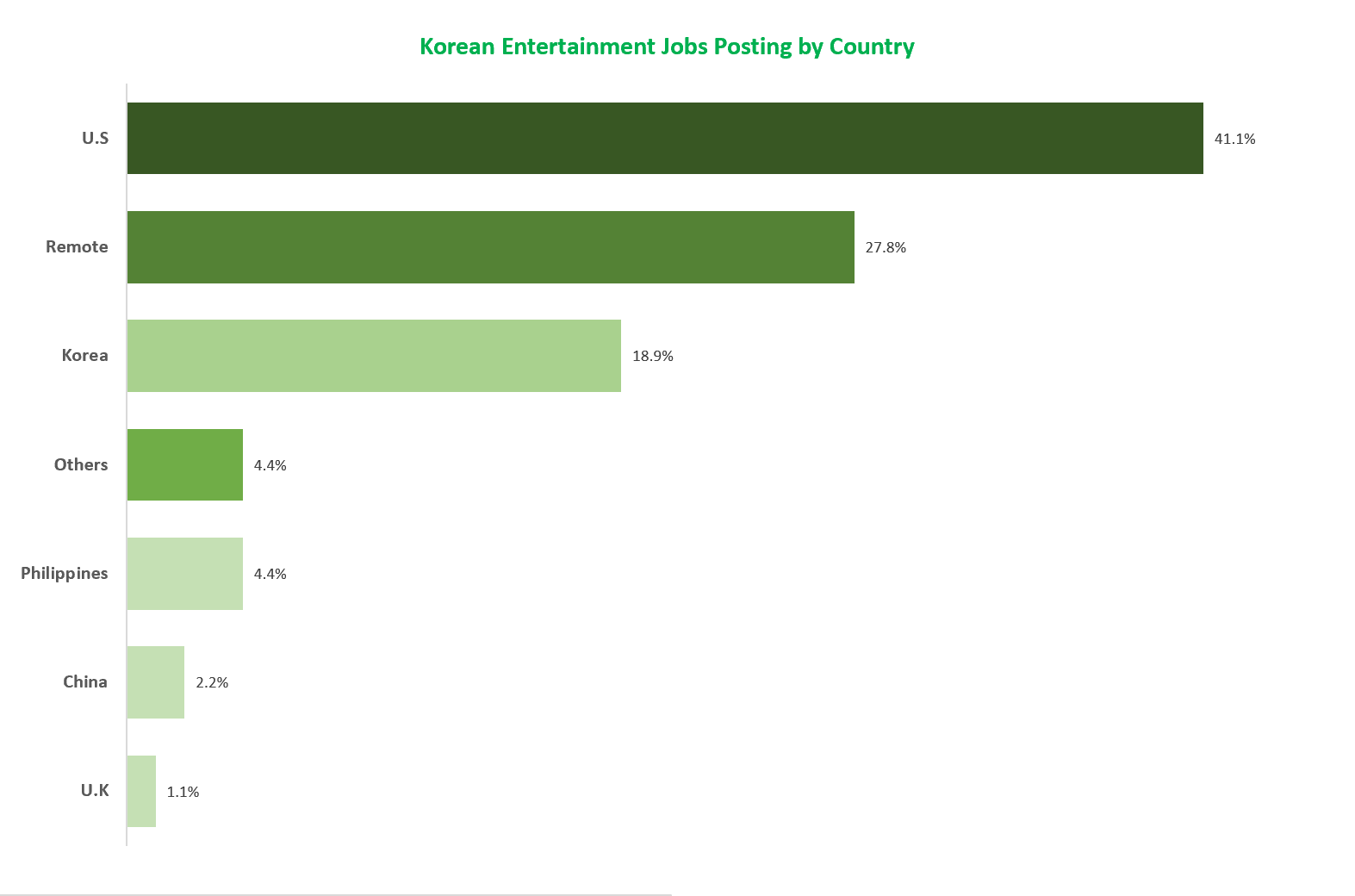
Figure 1: Korean entertainment jobs distribution by location.
- Four out of every ten jobs (41%) are in the United States.
- Another 28% of jobs are fully remote, meaning you could work from anywhere.
- South Korea accounts for 20% of opportunities (Remember, these are South Korean entertainment jobs that accept foreign applicants.
- The ‘Others’ part is made up of mostly job postings Japan, India, and Canada
Key takeaway on location:
Jobs in the United States are concentrated in a few cities, including Los Angeles and New York.
That is because some of the big names in the Korean entertainment space have offices in these places, including Hybe America, CJ ENM, JYP, YG, SM entertainment and more.
Also, only 5% of remote jobs in the US are unpaid. This means If you’re looking to actually earn a living while pursuing your passion, the United States is the best place.
Regional breakdown: where opportunities cluster
Now, let’s zoom out and look at the bigger regional picture. Where in the world are K-entertainment companies actually building their teams?
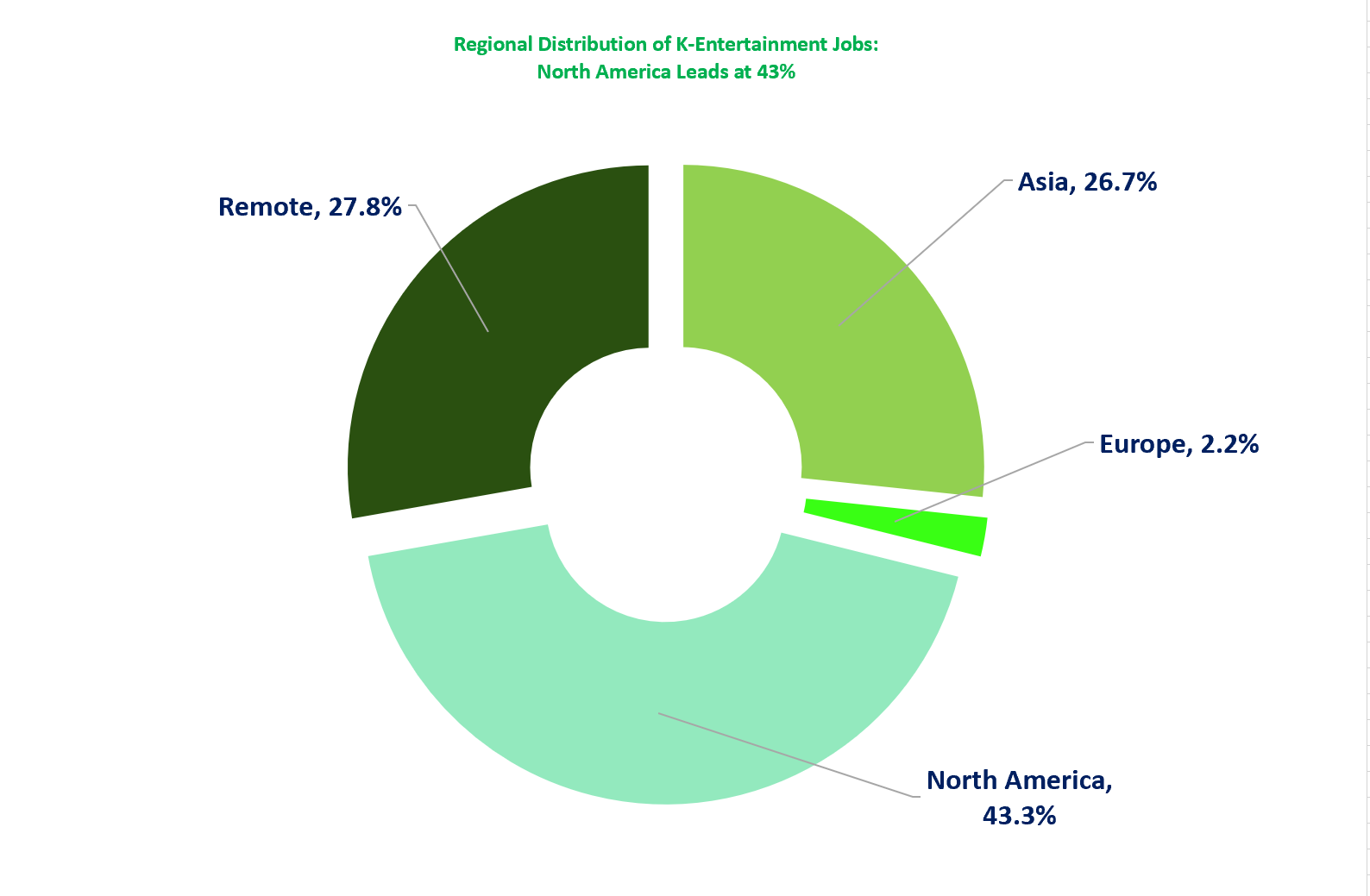
Fig 2: K-Entertainment Job Opportunities by Global Region
Here’s what the regional breakdown shows:
- North America: 43.3% (primarily U.S., with some Canadian opportunities)
- Remote: 27.8% (work from anywhere positions)
- Asia: 25.6% (mainly Korea, with growing opportunities in India, Philippines, and China)
- Europe: 2.2% (minimal presence, mostly in the U.K.)
Key Insight:
Nearly 7 out of 10 K-entertainment jobs (71%) are either in North America or fully remote.
Asia still holds about a quarter of all positions, mostly concentrated in Korea where major entertainment companies are headquartered. Europe, however, remains largely untapped with just 2% of opportunities.
For job seekers, this means your location strategy matters.
North America offers the most opportunities, remote work provides flexibility (though as we’ll see later, many remote roles come with a catch), and Asia is best suited for those ready to relocate or who already have regional experience.
What everyone’s hiring for: Korean entertainment jobs by sector/department
So, we know where the jobs are. But what kind of work are Korean entertainment companies actually looking for? The department breakdown reveals something pretty clear about what skills are in demand.
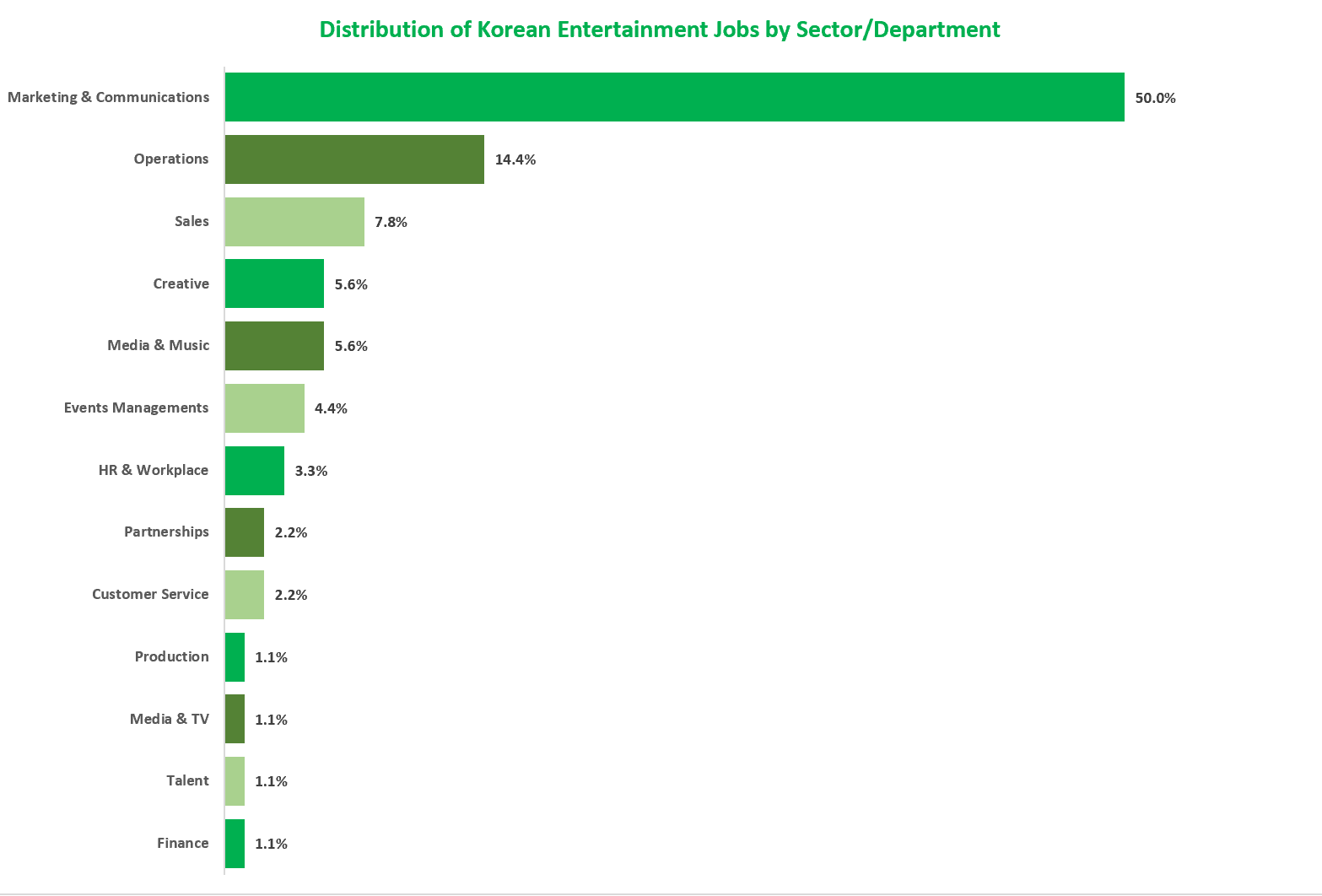
Figure 2: Distribution of Korean Entertainment Jobs by Sector/Department
When we tallied up the job postings by sector or departments, one category absolutely dominated the market:
- Marketing & Communications: 50.0% of all jobs. Half of every K-entertainment job posting is looking for someone who can create content, manage social media, write copy, or handle digital marketing.
- Operations comes in a distant second at 14.4%
- Followed by Sales at 7.8%.
- Creative roles: the ones you might dream about, like working directly on music production or film development, make up just 5.6% of opportunities.
What this means for you
If you want to work in K-entertainment, sharpening your marketing and communication skills is your best bet.
Experience levels: What it takes to get into Korean entertainment
One of the biggest questions for anyone eyeing this industry is: do I need years of experience, or can I actually break in? The good news is that the industry does hire newcomers (but it’s not that simple, as you will see in our insights section). Here’s how the opportunities break down by seniority level.
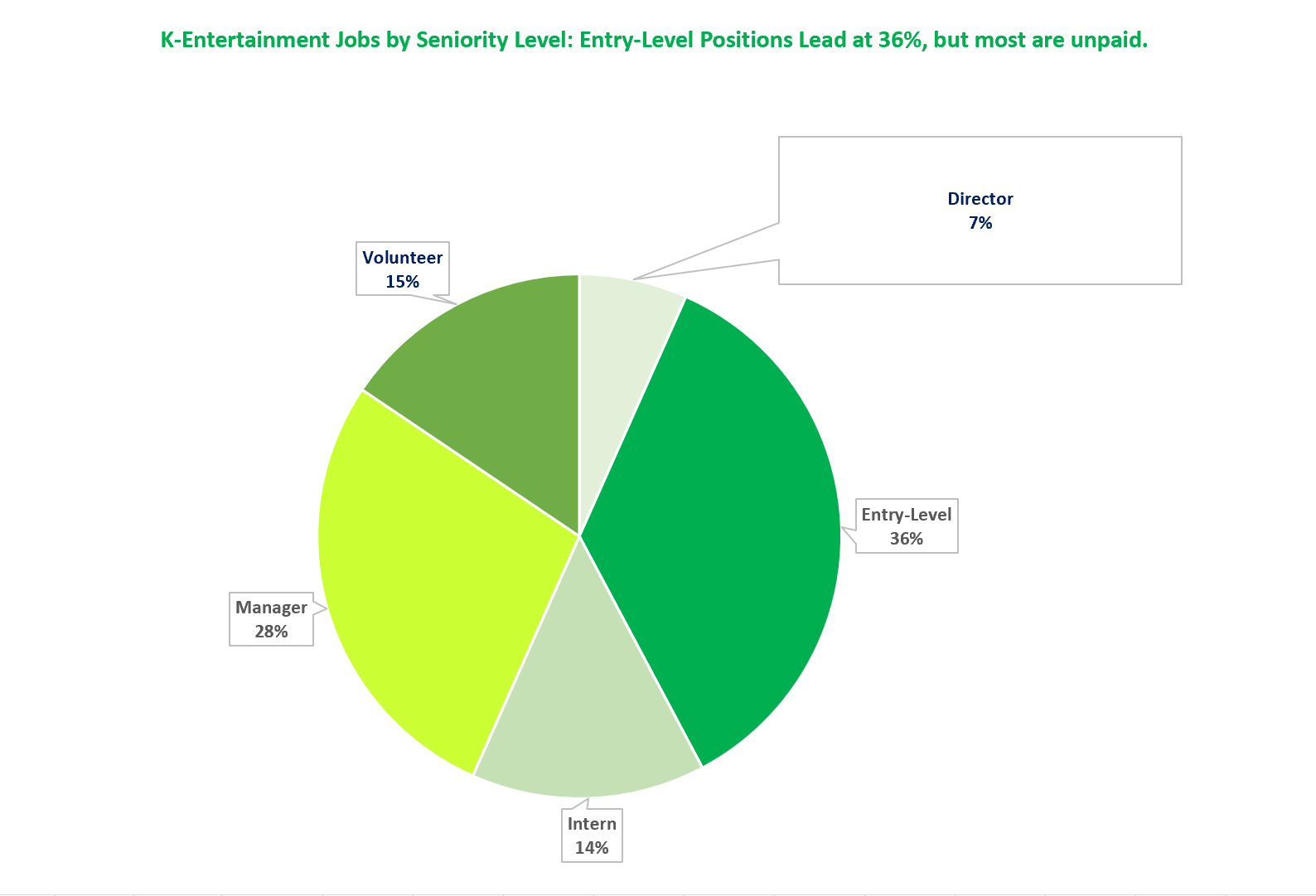
Figure 3: Distribution of K-Entertainment Jobs by Experience Level
The breakdown looks like this:
- Entry-level: 36% (made up of these jobs: assistants, coordinators, associates)
- Manager: 28% (managers, leads, specialists)
- Volunteer/Unpaid: 16% (these were mostly social media managers, news writers, contributors to K-entertainment magazines, etc.)
- Intern: 14% (also mostly in the social media and writing space, with a few being events-related
- Director: 7% (senior managers, directors, Sr. roles)
The entry-level struggle is real
- Here’s some encouraging news: 36% of jobs are entry-level positions. Which means you don’t need ten years of experience to break in.
- But, (and this is important) when you add internships (14%) and volunteer positions (16%), you realize that 30% of these entry-level “opportunities” don’t pay you at all.
So while the industry is technically accessible to newcomers, many of those entry points expect you to work for free.
The silver lining?
Once you get past that entry barrier, things look better. Manager-level positions make up 28% of the market, and there’s even a small but stable 7% of director-level roles for those who climb the ladder.
A closer look at remote Korean entertainment positions
Remote positions make up over a quarter of all K-entertainment jobs reviewed, which sounds great for flexibility.
But there’s a trade-off: Nearly half of all those remote positions (44%) are unpaid or volunteer roles.
These remote positions were mostly listings like K-pop Writers, Social Media Interns, and Content Creators. These opportunities promise exposure, experience, and maybe a spot in your portfolio, but not a paycheck. Here’s a summary:
1. Remote = Heavily Volunteer/Unpaid
- 44% of these jobs are unpaid
2. Remote has very few manager roles
- Only 2.2% manager positions out of 27.8% total remote jobs
3. Remote entry-level jobs that pay are competitive
- 7.8% of all jobs are remote entry-level (paid)
4. NO Director-level remote positions
- 0% director roles in remote work
Our observations and recommendations
Let’s break this down into practical advice based on what the numbers are telling us and base on patterns we’ve observed at KoreanEntertainmentJobs.com:
Companies with the most Korean entertainment jobs posted
- We featured lots of jobs from South Korea’s biggest entertainment names who have created presence outside the country.
- Most of these jobs came from CJ ENM America, HYBE (America, Japan, and China), JYP USA & Japan, SM & Kakao Entertainment America, as well as smaller agencies and teams like Hello82, Kticketbox, and many others.
- We also featured lots of jobs from K-beauty brands in the US and Europe. PureSeoul in the UK especially had lots of vacancies throughout the year.
- There were lots of event-related vacancies as well, especially from Live Nation Entertainment, Studio Pav, and others.
- We also featured a few K-Pop dance instructor jobs, which were mostly from Europe (UK), the US, and Asia (mostly Singapore).
- Lots of roles from Spotify Korea and Netflix Korea
- Lots of news writers and social media manager roles, but most of them were unpaid
If you are starting your career:
- Be selective about unpaid opportunities. They’re everywhere (especially remote), but you need to earn a living. Most of them are also on the marketing and content side, including social media managers for news platforms, writers, content creators, and more.
- Look for U.S.-based entry-level roles because they’re more likely to pay. And they also come from either big entertainment companies with US presence or from small event startups in the Korean entertainment space.
- Focus on building marketing and communications skills; that’s where most of the jobs are
- There are a lot of event-related roles in Europe, especially in the UK and France. This is mostly because of K-Pop events. So for these roles, they are seasonal, yet you can still get some one or two internships to build up your experience.
If you’re changing careers:
- Manager-level positions are plentiful (28% of the market)
- Korea-based roles could be perfect if you have 3-5 years of relevant experience (but as you know, it’s not easy to get a job in Korea as a foreigner).
- Operations and sales roles offer alternatives, but they are rare.
If you’re willing to work remotely:
- When you are looking for remote roles, you should make sure to vet those opportunities carefully, because many of them are unpaid
- The 7.8% of paid entry-level remote jobs are competitive but doable
- Remote manager roles are rare, so don’t count on climbing the ladder remotely
The Korean entertainment industry outside of South Korea is booming, and it’s also creating real jobs with real paychecks for a lot of people. But of course, you need to know where to look.
The U.S. is the top market when it comes to paid work. For jobs in Korea that accept applicants from around the world, they want experienced professionals.
Remote work sounds great but often means working for exposure instead of money. And if you’re not interested in marketing and communications, you’ll be competing for a much smaller pool of jobs.
About This Report, Disclaimers, & Important Notes
- This report is based on job postings featured on the Korean Entertainment Jobs platform from January to December 2025
- The data represents opportunities posted on our platform and should not be considered a complete picture of entire Korean entertainment job worldwide
- This is a snapshot of the market at a specific point in time and may not reflect current or future job availability
Data Collection & Scope:
- The report focuses primarily on K-entertainment roles outside South Korea, as well as positions within Korea that are open to international applicants
- Jobs requiring Korean-only fluency or explicitly excluding foreign applicants were intentionally excluded from this analysis
- “Remote” is used as a location category in our data to represent work-from-anywhere positions, not a geographic region
Accuracy & Limitations:
- While we make every effort to ensure accuracy, we do not guarantee the completeness, reliability, or accuracy of the information presented
- Job market conditions change rapidly, opportunities and trends identified in this report may have shifted since data collection
- Statistics and percentages are based on our platform’s data and may not represent the entire global K-entertainment job market
Not Professional Advice:
- This report is intended for informational and educational purposes only
- The insights and recommendations provided should not be considered professional career advice or employment guidance
- We recommend consulting with career professionals for personalized job search strategies
No Guarantees:
- We make no guarantees about job availability, hiring outcomes, or salary expectations based on this data
- Individual job search results will vary based on qualifications, experience, location, and market conditions
- Employment decisions should not be made solely based on the information in this report
Author:
Saibu Baba is the founder of Korean Entertainment Jobs, a platform helping global talent find opportunities in K-pop, K-drama, and the broader Korean entertainment industry. What started as a side project, fueled by his love for K-dramas and K-music, has grown into a resource connecting job seekers with roles across the industry.